

A single deck of cards yields roughly 2.6 million possible two-card combinations, a figure that still surprises newcomers who assume the game runs on luck alone. Players who spend years feeding coins into pub pokies machines often discover that moving their wagers to a digital table changes the rhythm entirely. The transition requires patience, a clear head, and a willingness to learn the rules before chasing payouts. Anyone who wants to play blackjack online casino australia AUD cash should treat the first session as на нашем сайте a study rather than a sprint. The mathematics behind the deal matter just as much as the cards sitting on the felt.
Learn the table rules before you deposit
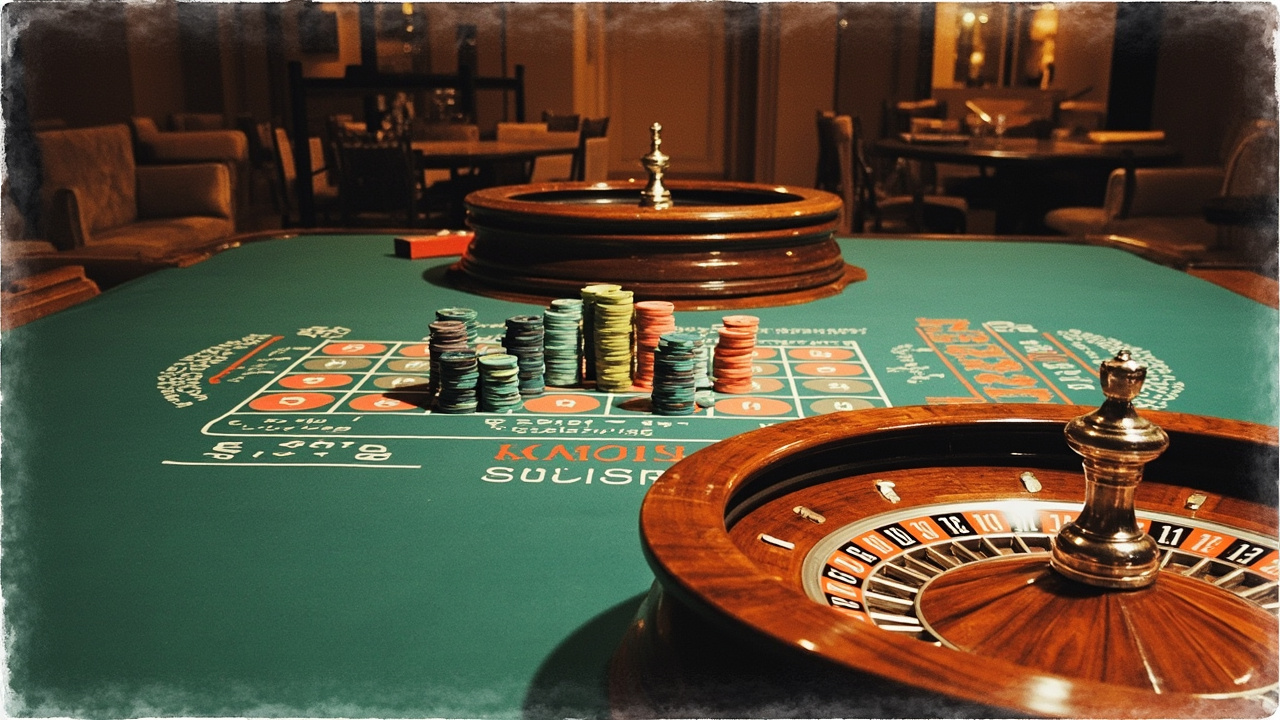
A player who sits down without reading the rules will lose money faster than someone who studies the layout for ten minutes. Most digital tables list the dealer rules, the payout for a natural twenty-one, and whether splitting pairs is allowed on any combination. The first step is to locate the rule set displayed on the screen and note whether the house pays three to two or six to five on a blackjack. A three to two payout keeps the edge lower, while a six to five rate drains a bankroll over a long session. Queensland venues often post their house rules near the machine bank, and the same habit applies online.
Compare verification requirements before funding
A new account usually asks for identity documents, a proof of address, and a payment method that matches the registered name. The process takes anywhere from a few minutes to a couple of business days depending on the operator and the clarity of the uploaded files. Players who submit a blurry photo of a licence or a cropped bank statement often face a second request that delays the first deposit. The comparison below shows how common verification items differ across typical account stages.
| Verification item | Typical timeframe | Common document | Notes for AUD deposits |
|---|---|---|---|
| Identity check | Minutes to 48 hours | Driver licence or passport | Name must match the account registration |
| Address proof | One to three days | Utility bill or bank statement | Recent document under three months old |
| Payment matching | Immediate to one day | Card or e-wallet details | Cardholder name should align with the verified identity |
| Age confirmation | Automatic on signup | Date of birth field | Must confirm the player is at least eighteen |
The table above highlights why a rushed upload slows the whole process. A clear scan of a Queensland driver licence usually passes the identity check faster than a handwritten note or a cropped screenshot. Players who keep a digital copy of a recent utility bill handy can complete the address step without waiting for a paper letter. The payment matching row matters most for AUD cash transactions because a mismatched name triggers a manual review. Operators at https://theapiarycorp.com/ tend to outline these steps in their help sections, and a neighbour operator at https://nit.com.au follows a similar document trail.
Fund the account in Australian dollars
A deposit in AUD removes the currency conversion headache that plagues players who fund accounts in foreign denominations. The first move is to choose a payment method that settles in the local currency and to note any minimum deposit figure printed beside the button. A player who wants to start small can set a limit of fifty dollars and watch how the balance changes after a few hands. The account screen should display the available balance in dollars before any wager is placed. A clear balance readout helps a punter judge whether the session is still within the planned limit.
Read the payout rules on the screen
The payout rules determine how much a winning hand returns and whether a pushed bet keeps the original stake intact. A player should locate the payout table before the first deal and check whether the game pays the standard rate for a natural blackjack. Some digital variants offer bonus payouts for specific combinations, and those extras can change the way a session unfolds. The rule panel usually sits near the deal button and lists the conditions for splitting, doubling, and surrendering. A careful read of that panel prevents surprises when the dealer draws a final card.
Treat the first session as a practice run
A first session works best when the player sets a time limit and sticks to it rather than chasing losses into the early hours. A sensible approach is to play for twenty minutes, record the result, and step away before the deck shuffle feels automatic. The goal of that first run is to learn the pace of the digital deal and to notice how the interface responds to each decision. A player who treats the screen like a training table will spot patterns that a rushed punter misses. The practice run also reveals whether the chosen variant suits the player’s style.
Keep the bankroll within a clear limit
A bankroll needs a ceiling and a floor so that a bad run does not swallow the entire deposit in one sitting. The simplest method is to divide the starting funds into smaller portions and to stop when one portion is gone. A player who begins with a hundred dollars can split that amount into four blocks and treat each block as a separate session. The block method forces a pause between runs and gives the player time to reassess the pace. A clear limit also keeps the experience aligned with the money the player can afford to spend.
Spot the differences from pub and RSL pokies
A pub pokies machine runs on a fixed spin cycle, while a blackjack table asks the player to make a decision on every hand. The rhythm of a regional Queensland RSL club often depends on the crowd, the noise, and the quick pace of coins dropping into a tray. An online table removes the noise and the crowd, but it also removes the social cue that tells a player when to step away. The difference matters because a digital table keeps running as long as the player keeps clicking, and that continuous flow can feel faster than a machine bank. A player who understands that difference can set a stop point before the session begins.
Watch a named punter work through a session
A player named Dale from Townsville started with a deposit of one hundred dollars and split it into four blocks of twenty-five dollars each. He played the first block for fifteen minutes, recorded a small loss, and took a break before the second block. The second block ran for twenty minutes and ended close to even, which gave him enough balance to test a doubling decision on a soft eighteen. Dale stopped after the third block because the session had reached the time limit he set at the start. His notes showed that the block method kept the session within the planned limit and that the practice run revealed which hands he wanted to play more carefully.
Use a short checklist before each session
A short checklist keeps the session focused and reduces the chance of a rushed decision at the table.
- Check the rule panel for the blackjack payout rate before the first deal.
- Confirm the account balance in AUD and note the starting amount.
- Set a time limit and a block limit before clicking the deal button.
- Keep a digital copy of identity documents ready in case verification asks for a new file.
- Record the result of each block so the player can see the pace of the session.
- Step away when the time limit ends rather than chasing the next hand.
The checklist above gives a player a concrete routine before each session. A player who follows the steps will know the payout rate, the balance, and the limit before the first card lands. The routine also creates a record that shows whether the session stayed within the planned amount. The method works for anyone moving from a pub machine to a digital table for the first time.
Ancient Egyptians played a board game called Senet that may have involved betting, and that old habit of weighing a risk before a move still fits a modern blackjack table. A player who studies the rules, checks the verification steps, and sets a clear limit gives the session a fair go before the cards start turning. The process takes patience, but the payoff is a clearer head and a better sense of when to stop.
Comments are closed