

The clatter of casino dice across a craps table is one of the few sounds in a gaming room that hasn’t been piped through something louder. It’s just bone hitting felt, the bounce, and a held breath. I’ve been writing about Aussie gaming floors for fifteen years, and I reckon dice is the game most punters misunderstand. Brisbane’s Treasury Casino still runs a packed craps setup on Friday arvos, and the action has grown as much as the confusion. Here’s a working rundown from acyclovirus.com without the marketing varnish.
What the Dice Are Doing When They Tumble
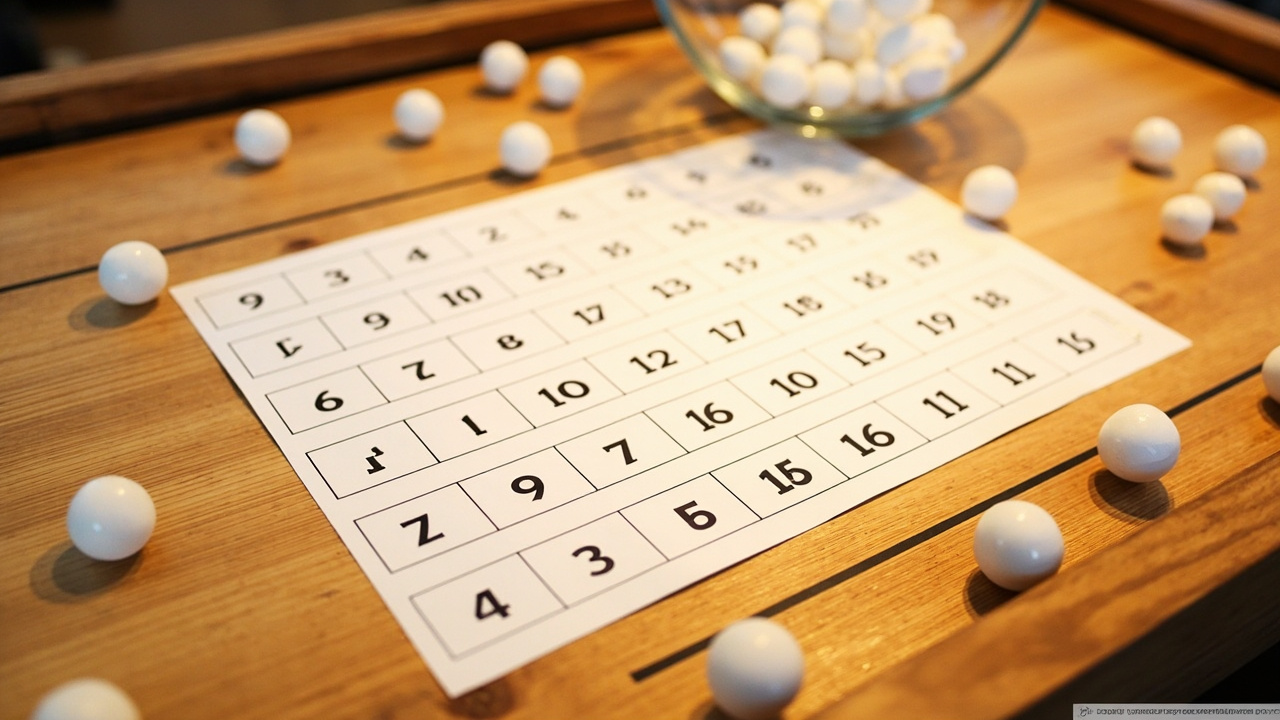
When a stickman palms five cubes and flicks them down a green baize runway, the whole exercise looks chaotic but it’s choreographed. A standard die is precision-cut to a fraction of a millimetre, with each face balanced so no number comes up more than its share. Modern dice are checked with instruments tighter than what your mechanic uses on a ute’s wheel alignment. That’s why a clean bounce off the back wall feels so honest – the tool itself has been tuned properly.
The same spec dice sit at Crown, Star Sydney, or the Treasury Casino in Brisbane’s CBD, where Friday-night craps stacks up. House rules vary, but the bones themselves are standardised. The casino swaps dice every few hours to wipe out any imperfection, and sharp players spot the change straight away. A level, balanced die is the only thing standing between you and an honest toss.
But here’s the comparison most blogs skip: a full blackjack table typically seats up to seven players facing the dealer, while craps runs on collective momentum with a stickman feeding the round. Dice carry a surprising weight – about 8.5 grams each in most Aussie kits – and that 88fortunesau.com heft is what makes them feel like real money in a slow drift. The lingo alone fills a thick glossary, with punting terms explained across generations of regulars who treat the dice like heirlooms.
The Mechanics, The Math, and The Mistakes
A Die Has No Memory, And No Favourite Number
Dice don’t remember. That’s the first thing to reckon with. Each roll is a fresh calculation, free of momentum or memory, and no hot streak carries forward into the next throw. A well-made cube gives each of its six faces a one-in-six probability – roughly 16.67% – assuming it lands clean. The back wall is part of the equation: it kills spin, kills slide, kills the bounce that throws off a controlled shooter. The dice weigh between 8 and 8.5 grams in most Aussie kits, and that heft is regulated to keep the physics predictable.
Where the House Edge Lives
Most Aussie punters walk past a craps table, hear the cheers, and walk on. They’re missing the smallest house edge on the floor. I’ve watched twenty-something shooters try to out-throw the bones at Brisbane’s Treasury and leave broke, while the fifty-somethings grinding the pass line with full odds walk out even. A pass-line bet carries about 1.41% for the house, while don’t-pass flips that to 1.36% – yes, betting against the shooter is mathematically safer. The trick is the odds bet behind it, which carries zero edge and is the best deal in the building. The proposition bets in the middle, where the edge balloons past 13%, are where the cheers come from – and where the wallet empties. I asked Oliver Foster, Digital Acquisition Director at Boomerang Gaming Insights, what he’d flag first.”Most punters chase the loud table, but the quiet end of the felt is where the math holds up,” he told me over a flat white in Brisbane’s CBD last spring.
The Endowment Trap That Costs Real Money
Here’s the bit casinos don’t put on the felt. Studies show people demand more to sell a lottery ticket they chose than one assigned to them – once you’ve picked it, the ticket becomes yours in a way no random draw ever does. The same psychology haunts the dice. Punters who pick their own pair, blow on them, build a ritual – they don’t walk away from a bad run. The bones become personal. That’s the endowment effect at the craps table, and it bleeds wallets dry across Brisbane, Melbourne, and Sydney every weekend. The fix isn’t a system. It’s a stop-loss you set before the dice leave the stickman’s hand.
Who Casino Dice Actually Suits
Casino dice isn’t for everyone, and any review that claims otherwise is selling something. It suits a board-shaped punter who likes the social swirl of a crowded felt and doesn’t mind trading busy as a beehive pace for proper atmosphere. It suits a bankroll built to flex rather than blast through. It doesn’t suit someone chasing a quick turnaround or a single big swing on a slot. Here’s the rough shape of the punter it fits:
- You arrive with a set budget, not a target win.
- You stick to pass-line or don’t-pass wagers with full odds behind them.
- You skip the proposition bets in the centre of the table.
- You walk after thirty minutes, win or lose.
- You treat the dice as entertainment, not income.
That’s the punter the game was built for. Anyone outside that frame should defo walk past the craps setup and onto the next table, or call it a night. The bones reward patience, not bravado. I’ve seen players walk in with three hundred bucks and walk out with fifty, and the reverse, and the only consistent winner is the one who knows when the night is done.
Casino dice, explained properly, is less about luck and more about knowing which bets to make, which to avoid, and when to walk. The bones themselves are honest, the players often less so. Treat the table like a night out, not a strategy, and you’ll leave Brisbane’s gaming rooms with your wallet – and your dignity – mostly intact. That’s the only review verdict that matters.

Comments are closed