

I’ve spent twenty years watching cards and wheels turn on busy casino floors, from high-limit blackjack pits to baccarat tables where regulars know the rhythm better than the dealers. That floor experience teaches you one thing quickly: a high-variance game can keep a losing player ahead for a surprisingly long time, and the same truth sits behind any mystery jackpot tournament today. You’re not buying a guaranteed payout; you’re buying a window of volatility, and the sensible player treats it like a session with a hard stop, not a ticket to the bank.
A decent mystery jackpot tournament today sits somewhere between a social punt and a structured competition. The identity is straightforward: players enter a timed pool, the prize meter hides behind random triggers, and the winner isn’t decided by who has the biggest stack but by who catches the right sequence before the clock runs out. Two or three traits separate a tidy event from a noisy one. Clear entry windows matter, because a tournament that opens and closes without warning just creates confusion at the felt. Transparent prize breakdowns matter more; you want to know whether the top prize is a flat amount or a share of a pool before you drop a chip. Everyday usability comes down to pace and clarity – quick entry, readable progress markers, and a timer that doesn’t feel like it’s racing you rather than the field. For an Australian player, the fit is best when the event respects local session habits: a defined start and finish, a sensible buy-in range, and a progress display that doesn’t demand you stare at a screen for half an arvo.
How the meter actually moves on a mystery jackpot tournament today
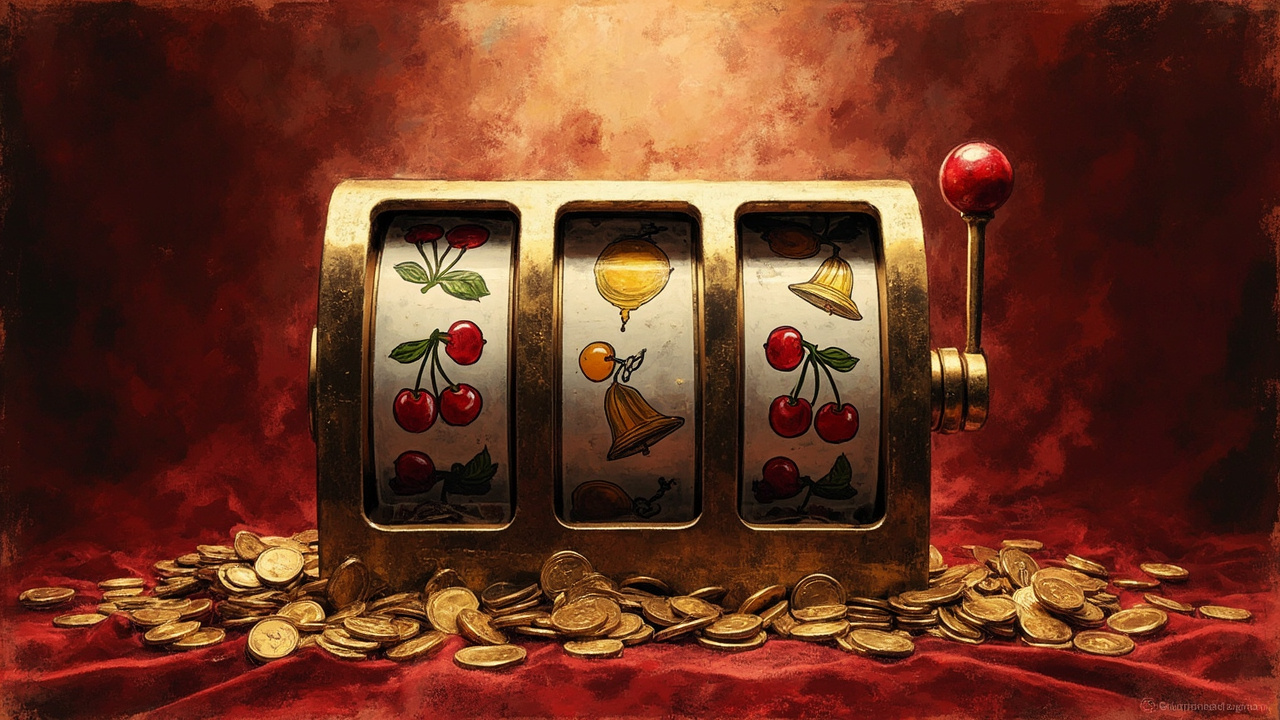
On a live floor, I’ve watched players misread a progressive meter for years, convinced the next hand must pay because the numbers climbed. A mystery jackpot tournament today works differently: the trigger is hidden, the timing is independent of your skill, and the metre’s behaviour is usually described as random rather than cumulative in a way you can game. That distinction matters for bankroll discipline. When I train new dealers on baccarat pacing, I tell them to read the table, not the crowd; the same judgement applies here. You pace the session by your own limit, not by how close the displayed figure looks to a payout. The practical habit is simple: decide your entry cost and your stop point before the first trigger, then treat every spin or hand as a paid entertainment window rather than a step toward a promised win. The speed at needforspin is one example of how a fast-moving pool can feel urgent without changing the underlying randomness, so keep your eyes on the clock and your limit, not on the meter’s mood.
What to check before you lock link to the site in an entry
The first thing I look for on any tournament pitch is the prize structure, because a vague top prize hides more than it reveals. A solid event lists the top prize, the number of paid positions if there are any, and whether the pool is fixed or fed by a percentage of entries. The second thing is the entry window and the pacing: a tournament that runs too long can turn into a slog, while one that snaps shut too quickly creates rushed decisions that good players avoid. The third is the support and registration flow, because a clunky sign-up process is a warning sign about how the operator handles ordinary queries, not just prize disputes. I’ve seen a regional operator in Western Sydney run a small timed pool for a local crowd, and the difference between a smooth run and a messy one came down to whether the staff could answer a simple question about the timer without making you wait for a callback.
Without that clarity, you are left guessing how the organizers intend to fund the payouts before a single hand is dealt. I always cross-reference the stated rules against a trusted industry resource like tournament design principles to spot inconsistencies early. If the numbers do not add up, it is usually safer to walk away than to hope for a miracle.Cyberdaily
Player-fit scenarios for a mystery jackpot tournament today
A mystery jackpot tournament today suits a player who understands variance and wants a timed event rather than an open-ended session. If you’re the type who likes a defined start and finish, with a clear entry cost and a progress display that doesn’t ask you to read tea leaves, the format can work as a controlled bit of fun. If you’re chasing a specific payout and expect the metre to behave like a predictable ladder, you’ll likely be disappointed, because the trigger is hidden and the pace is set by the event, not by your skill. The fit is strongest when you treat the entry as a single-session expense with a hard stop, and weakest when you’re trying to convert a volatile event into a steady income stream.
The structure rewards patience over reckless aggression, turning each round into a measurable exercise rather than a gamble. When you want to test that kind of approach in a real-time setting, the platform at https://playneedforspin.com/ offers a reliable environment where you can track your speed at needforspin and keep the session firmly under your control.
Keeping it sensible on the ground
A mystery jackpot tournament today is best treated like any other timed session with a built-in stop. Set your entry limit, decide your exit point before the first trigger, and don’t let the excitement of a climbing display blur your own rules. I’ve stood over blackjack tables where a player’s session stretched far beyond the original plan because the mood on the floor felt generous; the same drift can happen here, only the display is digital instead of a pile of chips. If the event’s pace, prize clarity, and support flow line up with what you expect from a tidy session, it can be a reasonable bit of entertainment. If any of those pieces feel vague, the safer call is to sit it out and wait for a clearer run.
For a local angle, it’s worth comparing how different markets handle timed prize events. In the UK and parts of Europe, operators often publish prize breakdowns and timer rules in a standardised format, which makes it easier to compare one event against another before you commit. New Zealand’s approach tends to lean toward tighter session framing and clearer local support, which suits players who want a defined run rather than an open-ended one. In the United States, some markets lean into larger prize pools but with more variation in how the rules are presented, so the same tournament structure can feel quite different from one state to the next. None of that changes the core truth: a mystery jackpot tournament today is a timed, hidden-trigger event, and the player who treats it like a controlled session is the one who walks away without regrets.
Comments are closed